
Home > Health Tips >
Seniors Health
Heat Stroke Symptoms in Older People: A Summer Plan for Ageing Parents

Dr Damien Ford
General Practitioner MBBS FRACGP
4 min read
Sunday 1 November 2026
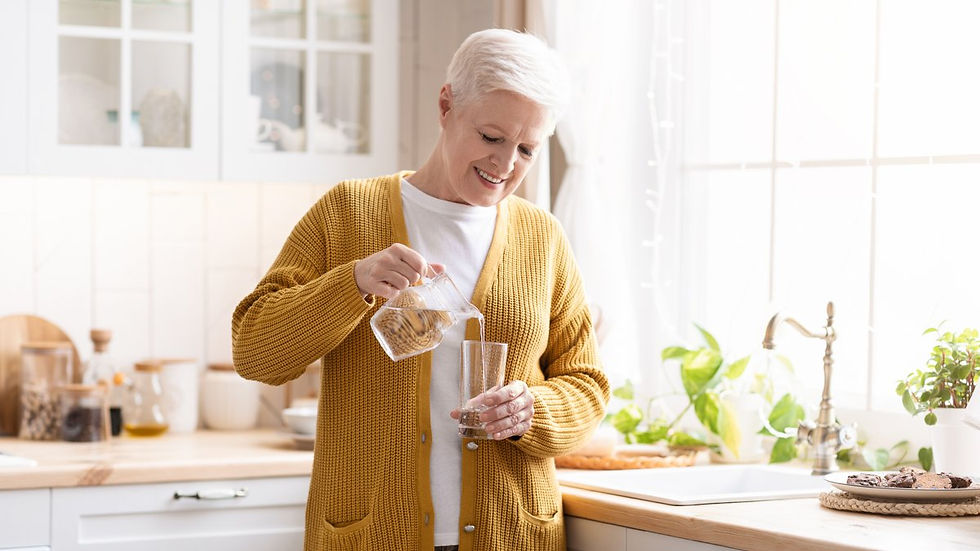
The Bureau of Meteorology says this summer is very likely to be warmer than average across much of Australia, with unusually warm nights. That matters most for older people, who often don't feel hot or thirsty until they're already struggling. Here's what to know about heat stroke in older people, and a simple plan for you, or for your mum and dad, before the hottest days arrive.
In an emergency, call 000.
Book a pre-summer chat with a GP: a standard telehealth appointment through bulkbill.doctor, where clinically appropriate and eligible. Anyone can book. Medicare bulk billed if eligible.
Why heat hits older bodies harder
As we age, the body gets less good at sensing heat and thirst, and at cooling itself down. Long-term health conditions and some medicines can add to that. The Australian Centre for Disease Control says extreme heat kills more Australians than any other natural hazard, and lists older people, especially those living alone, among those at greater risk.
The good news: a lot of it comes down to planning, and that planning can start now.
Heat stroke symptoms in older people: why they're easy to miss
Heat-related illness can build quietly over a few hot days, especially when nights stay warm. In older people, it can look like someone is just "a bit off": more tired than usual, muddled, or not themselves. That's why regular check-ins on hot days matter so much. If someone seems seriously unwell in the heat, call 000.
A 5-step heat plan
Know the forecast. Keep an eye on heatwave warnings and plan around the hottest part of the day.
Keep the house cool. Close curtains and blinds early, and know a cool place nearby, such as a library or shopping centre.
Keep water handy. Have a drink within reach through the day.
Dress and move for the heat. Light, loose clothing, and errands in the early morning or evening.
Have a contact plan. Agree who checks in, and how often, on hot days. Keep emergency numbers and a list of medicines by the phone.
Checking in on parents and neighbours
A short phone call or visit on a hot day is one of the simplest ways to help. Ask how they're feeling, whether the house is cool, and whether they've had something to drink and eat. If they don't sound like themselves and you can't get there, ask a neighbour to knock.
Hot-day check-in list for Mum and Dad:
Is the house cool? Curtains closed, fan or air con on?
Is there water within reach?
Have you eaten today?
How are you feeling? Do you sound like yourself?
Who's checking in again this evening?
Share this with your siblings and agree who calls on each hot day.
"Call your mum on hot days. Then call the neighbour who lives alone."
If you live alone: a note for older readers
If you live on your own, heat can creep up without anyone noticing. Ask one person, a family member, friend or neighbour, to be your hot-day contact, and agree a time they'll call during a heatwave. Keep a list of your medicines and your GP's details by the phone, and leave a spare key with someone you trust. If you start to feel unwell in the heat, ask for help early.
A pre-summer chat with a GP
Before summer is a good time to check in with a GP, especially if you have a long-term condition or take several medicines. It may be worth asking whether there's anything to keep in mind on hot days. Never change your medicines on your own. If you're running low on regular medicines before the holidays, ask about repeat scripts.
Frequently Asked Questions
Why are older people more at risk in the heat? As we age, the body is less able to sense heat and thirst and to cool itself down, and some health conditions and medicines can add to that. Older people who live alone are among those at greater risk.
What are the signs of heat stroke in elderly people? In older people, heat illness can be easy to miss and may look like someone is just not themselves, more tired or muddled than usual. If someone seems seriously unwell in the heat, call 000.
How can I help an older parent in a heatwave? Make a simple plan before summer, agree who will check in on hot days, and keep the call short and regular. Ask whether the house is cool and whether they've had a drink and something to eat.
Can I talk to a GP before summer by telehealth? Yes. A telehealth chat with a GP before summer is an easy way to talk about how you're going and anything to keep in mind on hot days, where clinically appropriate and eligible.
CTA Anyone can book. Medicare bulk billed if eligible. Book a pre-summer chat with a GP, a standard telehealth appointment, through bulkbill.doctor, where clinically appropriate and eligible. In an emergency, call 000.
Continue reading
More practical health advice from our trusted doctors and partners
Seniors Health
Sunday 1 November 2026
4 min read

Kids Health
Sunday 1 November 2026
3 min read

Men's Health
Sunday 1 November 2026
3 min read